Actualités
Les sujets qui font l'actualité du GrandPalaisRmn.

Fragonard and Romantic Allegory
January 5, 2016
In 1773, the engraver Jean Massard gave Fragonard a copy of a collection of romantic poetry from Antiquity, attributed in particular to the poet Anacreon (582-485 B.C.), whose illustrations by Charles Eisen he had just engraved.
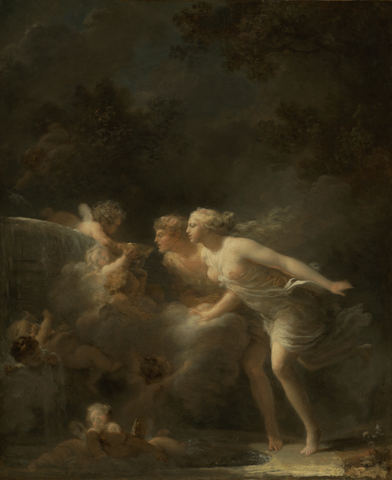
This work, as well as another, The Kisses (1770), a collection of poems by Claude-Joseph Dorat and also illustrated by Charles Eisen, seem to have had a profound influence on Fragonard during the final decade of his artistic career. From the end of the 1770s, "Frago" produced a collection of allegorical romantic compositions, in a style inspired by Antiquity whose themes intersect with the antique romantic poetry known as "anacreontic": the fusion of romance and sexual enjoyment with nature of complicity. The painter uses the same metaphors as the poet, including the torch of love and the rose, the flower of Venus.
This was some of the last work produced by Fragonard, as the painter is thought to have put down his brushes around the start of the 1790s. "Frago" rejected the light-filled readability of his "neoclassical" contemporaries, instead plunging his images into the misty twilight of night and dreams.
At the start of the shift towards Romanticism, Fragonard subtly questioned the sincerity, reciprocity and durability of the sentiment of love. Thus The Serment of Love, The Fountain of Love and The Vow to Love.
See also
See all news-
View : “Tous Léger! Tickets now on sale for the new exhibition at the Musée du Luxembourg! 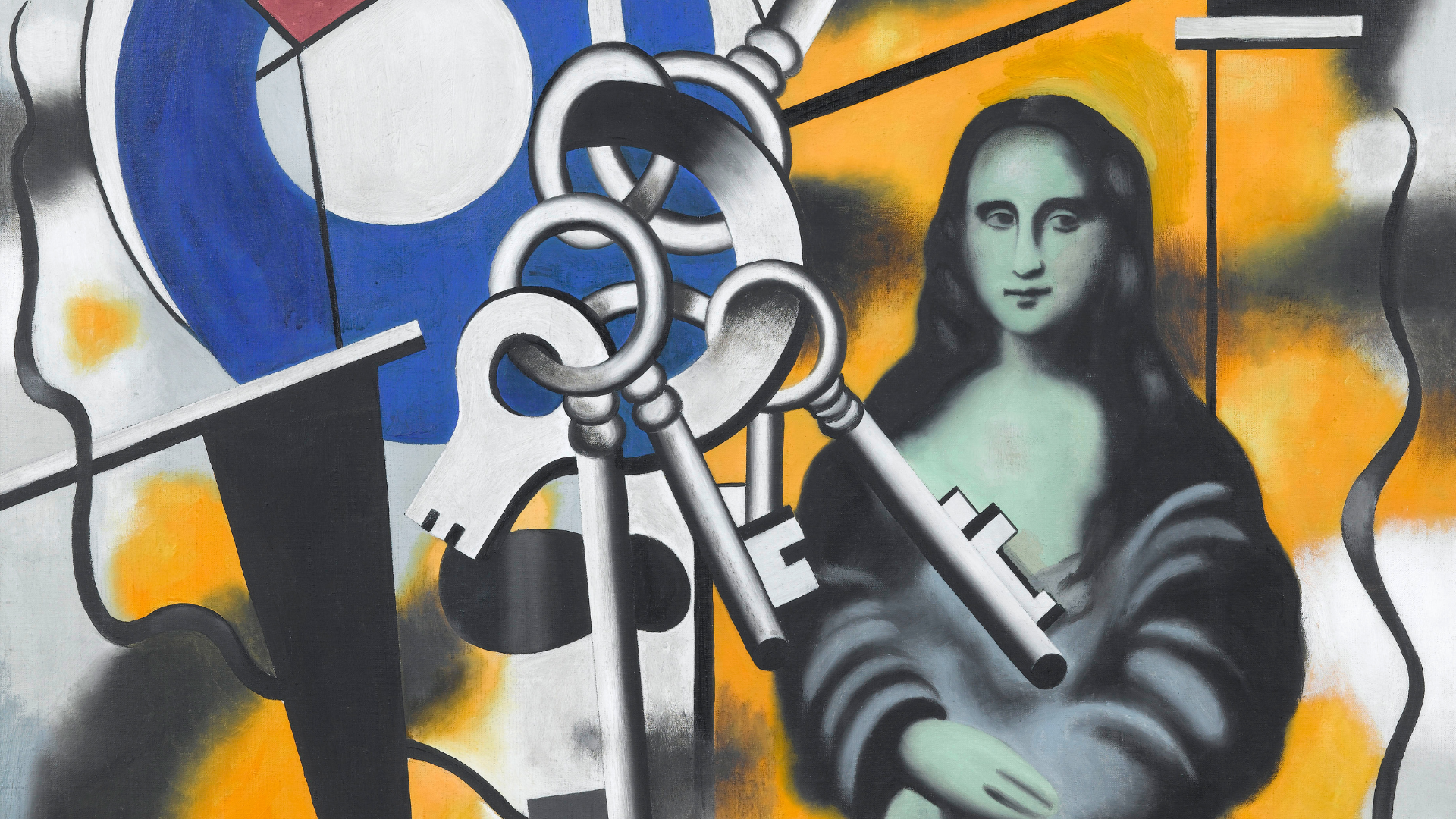
“Tous Léger! Tickets now on sale for the new exhibition at the Musée du Luxembourg!
February 3, 2025
Vibrant colors, moving forms, hijacked everyday objects... Léger and the Nouveaux Réalismes meet at the Musée du Luxembourg from March 19. Book your tickets now!
-
View : In Biot, ‘Léger and the New Realists’ take over the walls of the Fernand Léger National Museum 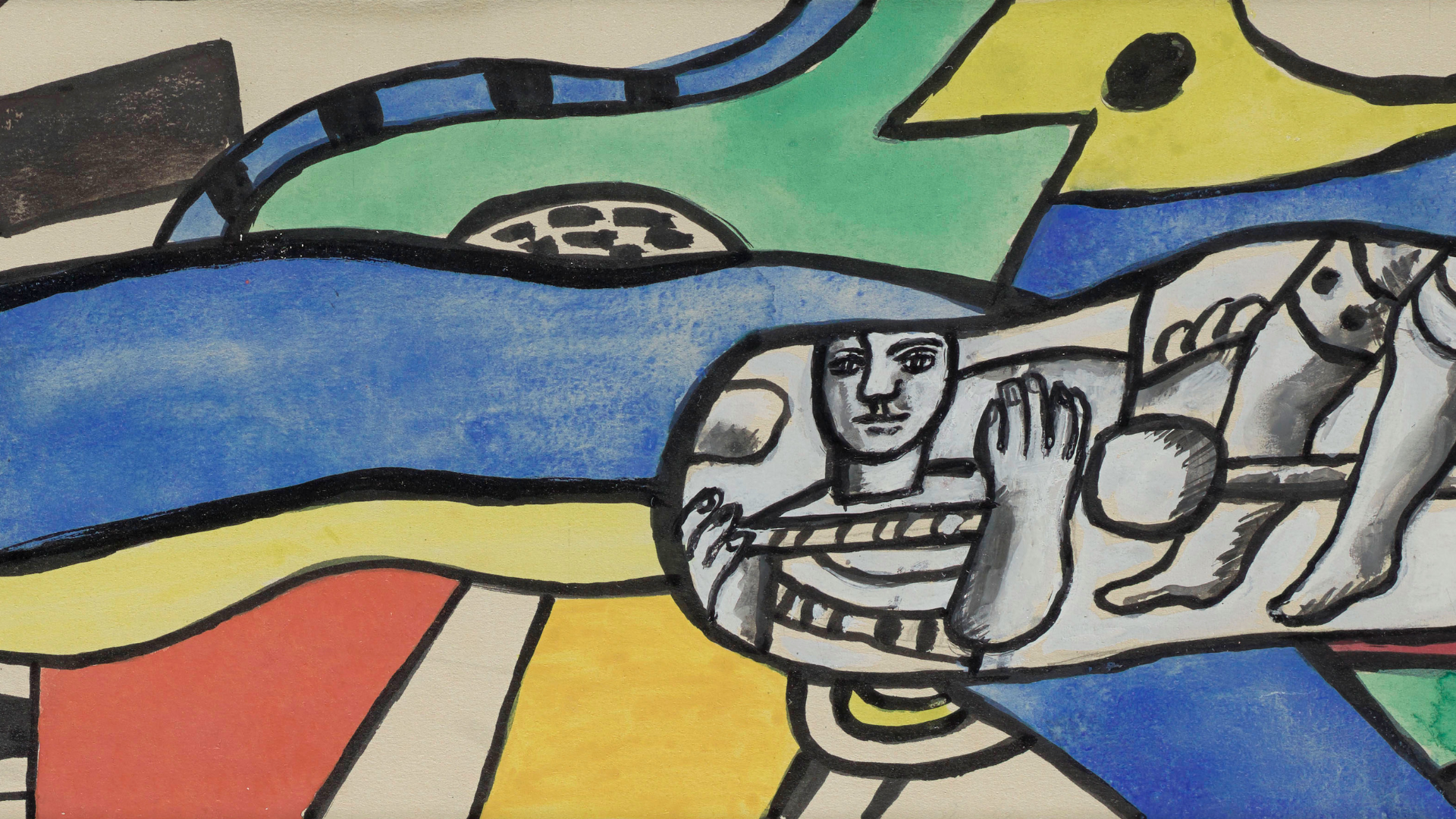
In Biot, ‘Léger and the New Realists’ take over the walls of the Fernand Léger National Museum
July 24, 2024
Art is everywhere, even in a sunflower or a pair of scissors! From 15 June to 18 November, take your imagination off the beaten track with the Fernand Léger National Museum's new exhibition ‘Léger and the New Realists’, in Biot (France).


